
Using AquaDam® for Environmental Remediation
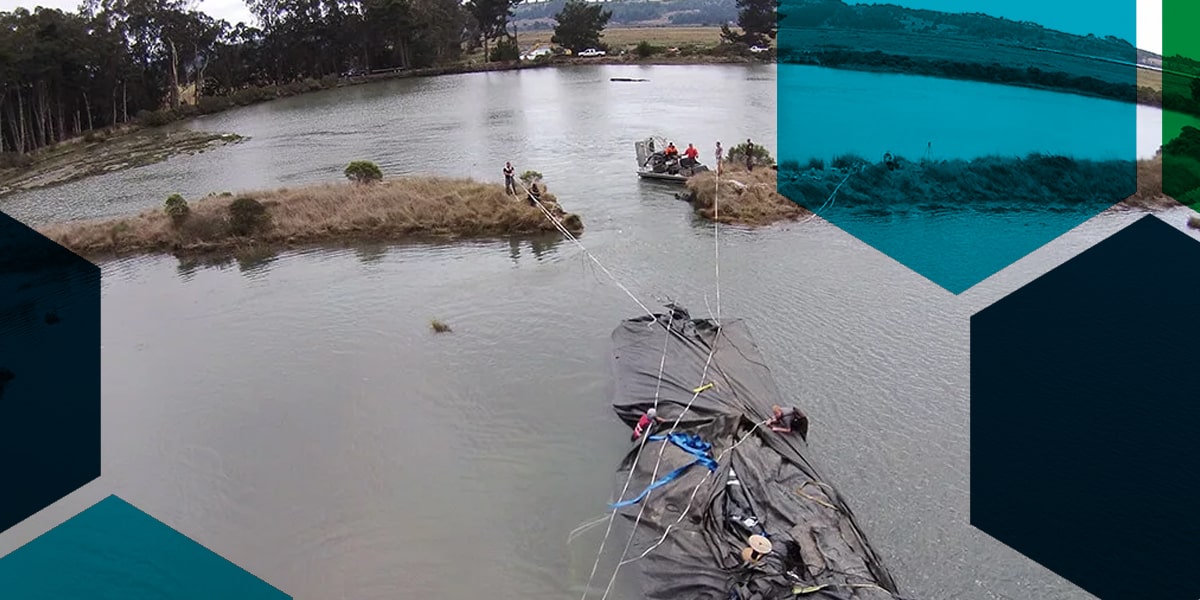
Using AquaDam® for Environmental Remediation
All types of pollution and contamination damage the environment, cause financial setbacks and harm human health. Contamination management is essential for maintaining health and safety throughout the world.
One strategy for contamination containment is environmental remediation. This method removes harmful pollutants from the environment with a variety of techniques, such as inflatable cofferdams — temporary water barriers often used in flood control. These tools are excellent resources for environmental remediation, allowing for quick and efficient water containment.
Learn more about inflatable barriers for environmental projects and how AquaDam® can help.
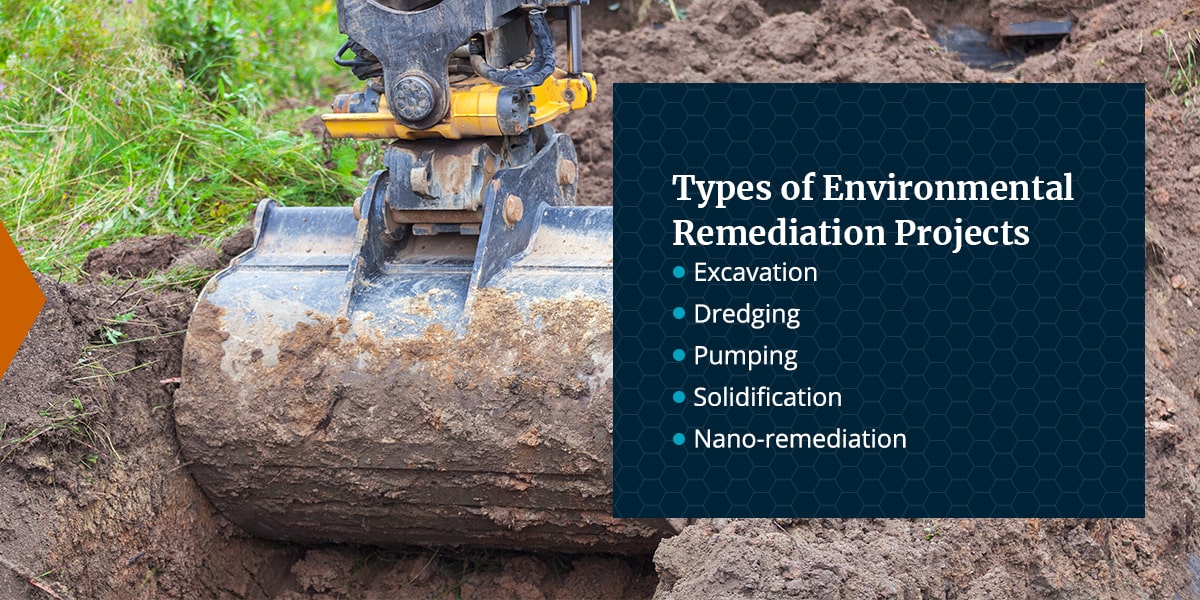
Types of Environmental Remediation Projects
Environmental remediation is the act of removing contaminants from areas such as:
- Soil
- Surface water
- Groundwater
- Sediment
Withdrawing pollutants from the earth reduces environmental damage and protects human health. The extraction process varies depending on the damage type and severity. Environmental remediation could involve:
- Excavation: Excavation is a form of soil remediation. It consists of removing contaminated soil from a site and replacing it with safe soil. If the soil features unsafe contaminants, such as radioactive waste, workers have to use other methods for extraction. They might load the soil into sealed containers and transport them to designated storage facilities instead of performing a basic removal.
- Dredging: During dredging, workers remove sediment and contaminants from underwater. They often use dredges, which are devices that scrape solid material from the bottom of lakes or rivers. Dredging can also be accomplished with barges or ships.
- Pumping: Specialists also use a pump and treat method for remediation. This method is used for groundwater contamination instances. A pump brings water to the surface. Then, environmental specialists treat the water with various techniques to extract the contaminants.
- Solidification: Solidification takes a different approach — instead of removing materials, specialists add materials to a site. The new items bind to contaminants and prevent the pollution from spreading. For example, specialists might add concrete to a contaminated site to form a solid block. The new structure prevents the contaminants from reaching the rest of the area.
- Nano-remediation: This type of remediation is used for types of hazardous materials that specialists can’t resolve with the above methods. Nano-remediation technology uses reactive agents to destroy contaminants.
The Environmental Protection Agency (EPA) sets the standards and regulations for environmental remediation. They analyze affected areas with an official assessment and decide the best remediation strategy. Then, the EPA coordinates the clean-up and other necessary actions. For instance, residents might have to temporarily vacate nearby areas depending on the contamination severity. The EPA would guide evacuation orders.
How Can Inflatable Cofferdams Assist Environmental Remediation?
Inflatable cofferdams are temporary enclosures that divert water. These versatile structures are highly useful for controlling floodwaters by creating effective barriers. They’re also effective for other water-based projects. For instance, using a cofferdam to dewater areas during dredging projects is common.
Cofferdams are available in many sizes and configurations to meet specific environmental needs. They contain two inner tubes and a woven outer sleeve. Users fill the inner tubes with water to inflate the cofferdam, then place the barriers in necessary positions for water diversion.
Inflatable barriers are excellent tools for environmental projects and water containment. The first step in most water-based extraction procedures is to control the water. Moving the liquid to a designated place prevents it from spreading to other places and causing further contamination. After specialists divert the water, they can begin filtering and decontaminating it.
Cofferdams have many benefits for environmental remediation, including:
- Minimal environmental impact: Inflatable cofferdams have little to no impact on the environment, making them ideal solutions for remediation efforts. After removal, the structures leave no residue or lasting effects on the earth’s surface. In addition, many cofferdams consist of recyclable or low-impact materials, such as virgin-resin high-grade polyethylene and polypropylene.
- Quick deployment: These tools also feature simple installation and breakdown. Users unroll the cofferdam, connect the pumps and fill the tubes until it reaches the necessary height. The easy implementation allows remediation specialists to begin their processes more quickly. These tools can also boost remediation project efficiency. They require minimal labor for setup, allowing specialists to focus on higher-priority tasks for their projects.
- Versatility: Inflatable cofferdams are available in a wide range of styles and sizes. They can also suit many different applications, from flood control to construction projects. Their flexibility lets them meet the challenges of various environmental remediation sites. Remediation projects vary by severity and scope, but it’s simple to find inflatable cofferdams that match precise specifications and project needs.
Overall, inflatable cofferdams meet many needs of environmental remediation projects that concern water. Finding these tools from a trusted manufacturer brings many benefits to remediation plans.
How Can AquaDam® Help?
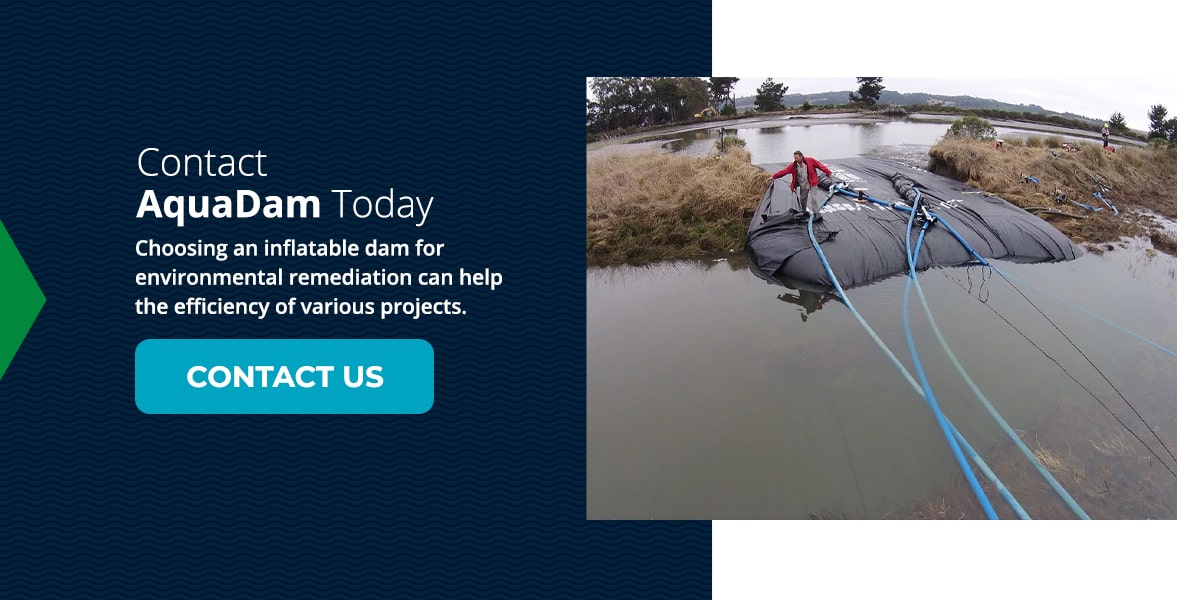
AquaDam® water-filled inflatable cofferdams are excellent options for environmental remediation. These temporary flood barriers are highly efficient at water control, allowing remediation specialists to treat areas more effectively. AquaDams® are also helpful for flood control, water storage, construction work and many more applications.
Users can quickly deploy the AquaDam® and begin working on remediation methods. The AquaDam® features a straightforward, five-step installation process:
- Delivery: AquaDams® arrive in a rolled-up position like a carpet. Depending on its specifications, users might need four to six people to move it. Users should place the structure at the top of the starting bank.
- Unrolling: The team unwraps the AquaDam® completely. Then, they unroll the AquaDam® to its full height and expose the two inner tubes.
- Pump connection: AquaDam® installation requires an on-site water source. Users connect the source to the two fill tubes. Make sure the connection is secure.
- Pump filling: Users turn on the water pumps and fill each of the tubes. Each tube should contain an equal amount of water.
- Filling completion: The AquaDam® arrives with specific instructions on when to stop the pumps. Once the AquaDam® reaches the desired height, turn off the pumps. Overfilling might cause damage.
AquaDams® are available in many different configurations and sizes. Remediation specialists can find the closest match for their needs. The AquaDams® minimal environmental impact and flexibility make it a superior choice for a cofferdam selection.
Contact AquaDam® Today
Environmental remediation is crucial for the safety of the planet and individuals. Choosing an inflatable dam for environmental remediation can help the efficiency of various projects.
Choose AquaDam® to assist with your environmental remediation needs. As a leading inflatable cofferdam option, the AquaDam® supplies a versatile solution. With lengths from 50 to 500 feet, it’s easy to find an AquaDam® that meets the exact needs of your remediation efforts.
To get started with AquaDam®, contact us today to learn more.